
The Small Steps Count, Too: A Gentle Reminder for the Last Three Months of the Year
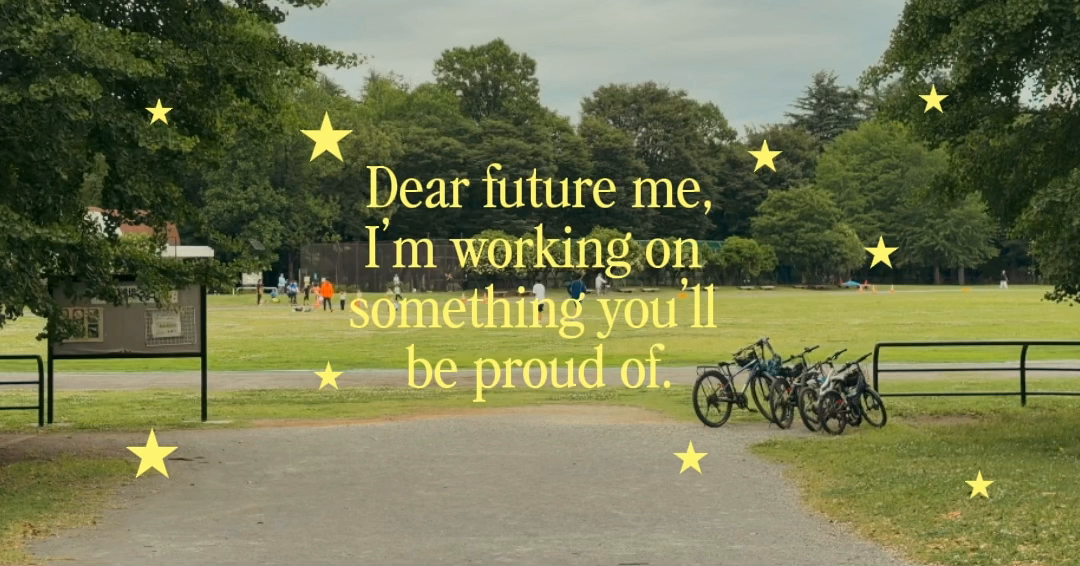
Somewhere between the goals we set in January and the plans we hope to achieve by December, we may have forgotten to acknowledge one important thing: we have been living, learning, and getting through life this whole time.
With only three months left in the year, it is easy to start looking back at everything we wanted to accomplish. Perhaps there was a habit you hoped to build, a goal you wanted to reach, a relationship you wanted to improve, or a version of yourself you thought you would become by now.
And maybe, when you look at where you are today, you feel like you should have done more.
But before you start writing another list of things to fix, achieve, or catch up on, take a moment to recognise something else.
You made it this far.
And that deserves to be acknowledged, too.
We Have Become Very Good at Noticing What Is Missing
Think about the last time you reflected on your progress. What came to mind first?
Was it the things you managed to do, or the things you had not done yet?
For many of us, it is easier to notice what is missing. We remember the days we procrastinated more vividly than the days we showed up despite feeling tired. We focus on the opportunities we missed rather than the difficult decisions we had the courage to make. We measure our progress against where we thought we would be, sometimes forgetting to consider everything that happened along the way.
There is a reason this can feel so natural. Our minds are often more alert to problems, potential threats, and unfinished tasks than to things that are going well. This tendency can help us recognise what needs attention, but it can also make our progress feel smaller than it really is.
When we constantly focus on the distance between where we are and where we want to be, we risk overlooking the ground we have already covered.
Perhaps you did not get the promotion you wanted, but you learned to speak up for yourself at work.
Perhaps you did not reach every personal goal, but you finally started setting boundaries with people who leave you feeling drained.
Perhaps this year looked nothing like you imagined, but you learned to ask for help instead of carrying everything alone.
These things might not appear on a traditional list of achievements. They may not come with certificates, celebrations, or visible milestones.
But they are still progress.
And sometimes, the most meaningful changes are the ones that happen quietly, long before anyone else notices them.

Photo by Anastasia Shuraeva
Not Every Achievement Needs to Be Visible
We often celebrate progress when it produces something we can point to: a new job, a finished project, a healthier routine, a financial milestone, or a personal goal achieved.
These accomplishments matter. There is nothing wrong with feeling proud of them.
But there is another kind of progress that deserves just as much recognition.
It is the progress that happens within us.
It is choosing to pause before reacting when something upsets you. It is recognising that you need rest before you reach your limit. It is trying again after a disappointing experience. It is allowing yourself to feel sad without immediately judging yourself for feeling that way.
It might be getting out of bed on a difficult morning, answering a message you have been avoiding, or taking a short walk when your mind feels crowded.
It might even be deciding that today, doing what you can is enough.
These actions can seem ordinary, especially when we compare them with the big milestones we see other people sharing. Yet they can reflect meaningful changes in how we care for ourselves, respond to challenges, and move through everyday life.
We do not always get to choose what happens around us. We cannot control every disappointment, delay, or unexpected change. But we can gradually develop ways of responding that help us navigate those experiences with greater awareness and care.
That process rarely happens overnight.
It happens in small moments, repeated over time.
And those moments count.

Photo by Nilina
What If Getting Through This Year Was an Achievement, Too?
Let's be honest. Not everyone entered this year with the same circumstances, resources, support systems, or amount of energy.
Some people began the year feeling hopeful and motivated. Others were already exhausted before January had even started.
Some experienced exciting new beginnings. Others faced grief, uncertainty, financial pressure, family responsibilities, health concerns, or changes they never asked for.
For some, simply keeping up with everyday responsibilities required more energy than anyone else could see.
This is why measuring our progress using a universal timeline can be unfair to ourselves.
You may be comparing your achievements with someone else's without knowing what support they had, what challenges they faced, or what their everyday life actually looks like behind the scenes.
You may also be judging yourself against a version of you who had more time, fewer responsibilities, or a completely different set of circumstances.
Growth does not happen in a vacuum. Our capacity changes depending on what life asks of us.
Sometimes, moving forward means taking a bold step towards something new. At other times, it means maintaining the routines that keep us grounded while dealing with something difficult.
And sometimes, the bravest thing we do is give ourselves permission to slow down.
If this year has asked a lot of you, perhaps the question is not simply, "What have I achieved?"
Perhaps it is also, "What have I had to navigate, and what has helped me keep going?"
That question leaves room for a more honest reflection. It allows you to recognise the effort behind your actions, rather than judging yourself solely by their outcomes.
You do not need to romanticise difficult experiences or pretend that everything happened for a reason. Some things are genuinely hard, disappointing, and unfair.
But even in the middle of those experiences, your efforts deserve to be seen.
Small Steps Are How We Build Trust in Ourselves
There is another reason small steps matter: they help us develop a more realistic relationship with ourselves.
When we set enormous expectations and believe we must meet them perfectly, it becomes easy to feel discouraged the moment we fall behind. One missed workout becomes a reason to abandon the routine. One unproductive day becomes evidence that we lack discipline. One setback makes us question whether we are capable of changing at all.
But meaningful change does not require perfection.
It requires opportunities to begin again.
When you make a small, manageable commitment and follow through, you give yourself evidence that you can take action, even when the conditions are not ideal. Over time, these experiences can strengthen your confidence in your ability to keep going.
Consider someone who wants to start journaling but feels overwhelmed by the idea of writing a full page every night.
They could begin with one sentence: "Today, I felt..."
Someone who wants to feel more connected to their family could start by putting their phone away during dinner.
Someone who wants to take better care of themselves could begin by recognising when they are tired and allowing themselves to rest without turning it into another reason for guilt.
These actions may seem too small to make a difference. But small steps can lower the pressure of getting started, making it easier to repeat the behaviour.
The goal is not to turn every moment into a productivity exercise. You do not need to optimise your entire life.
The goal is to remember that progress can be gentle, imperfect, and still meaningful.
You are allowed to build a life through ordinary actions rather than waiting for one extraordinary moment to change everything.

Photo by Tiffany Christie Freeman
Three Questions to Ask Yourself Before the Year Ends
Instead of spending the next three months trying to make up for everything you think you should have done, consider making space for a different kind of reflection.
You can still set goals. You can still make plans and work towards the things that matter to you.
But let those plans begin with an honest acknowledgement of where you are today.
Here are three questions you might want to sit with.
1. What have I done this year that I have not given myself enough credit for?
Think beyond the obvious milestones. Perhaps you handled a difficult conversation, learned to say no, asked for support, or kept showing up during a challenging season.
Give yourself permission to acknowledge these moments without immediately dismissing them as something you were simply supposed to do.
2. What has been taking more energy from me than people realise?
Sometimes, we judge ourselves for moving slowly without acknowledging how much we have been carrying.
Reflect on the responsibilities, emotions, and challenges that have shaped your year. This is not about making excuses. It is about understanding your circumstances so you can respond to yourself with more honesty and compassion.
3. What is one small thing I can do for myself in the remaining months of this year?
Choose something realistic rather than impressive.
It could be spending ten minutes away from your screen before bed, making time for a conversation with someone you love, writing down your thoughts when everything feels overwhelming, or taking one step towards a goal you still care about.
You do not need to transform your entire life in three months.
You can simply choose a direction and take the next step.
You Do Not Have to Finish the Year as a Completely Different Person
There is something about the end of the year that makes us want to arrive at December with a neat little summary of our growth.
We want to be healthier, happier, more successful, more confident, and more certain about what comes next.
But personal growth does not always follow a calendar.
You may enter the new year with questions you have not answered yet. You may still be working towards a goal that takes longer than expected. You may find yourself repeating a lesson you thought you had already learned.
That does not mean the year was wasted.
You are a person, not a project with a deadline.
You can be proud of your progress while recognising that there is still room to grow. You can appreciate where you are without giving up on where you want to go.
Both things can be true.
So, as the remaining months unfold, try not to turn the countdown to a new year into another reason to rush through your life.
Celebrate the goal you achieved, but acknowledge the effort it took to get there.
Be proud of the big decisions, but do not overlook the quiet ones.
And when you think about everything that is still unfinished, remember to look at what you have already managed to do.
Maybe you are not exactly where you hoped you would be by now.
But you have learned things, made choices, navigated challenges, and experienced moments that have shaped who you are today.
That matters.
You do not have to wait until you have everything figured out to be proud of yourself.
Sometimes, progress looks like reaching a milestone. Sometimes, it looks like taking a step back, catching your breath, and finding the courage to try again.
And sometimes, it simply looks like making it through a difficult day and giving yourself another chance tomorrow.
As this year comes to a close, may you make room for the goals you still want to pursue, but also for the person who has been doing their best to get you here.
The small steps count, too.
Even the ones nobody else sees.
