3 Ways The Emotion Explorer Journal Can Help Your Child Understand Their Feelings
“I'm fine.”
It's a familiar answer many parents hear when they ask their children about their day. But sometimes, behind those two words is a child who feels disappointed, worried, frustrated, or upset without knowing how to explain it.
Perhaps your child comes home from school unusually quiet. A small disagreement leads to a big emotional reaction, or they say they're angry when what they really feel is left out.
As parents and caregivers, we naturally want to help. We ask questions, offer advice, and try to make things better. But before children can work through their emotions, they need opportunities to understand what they're feeling in the first place.
Emotional wellbeing begins with helping children recognise their feelings and giving them space to express them.
One way to support this process is through journaling.
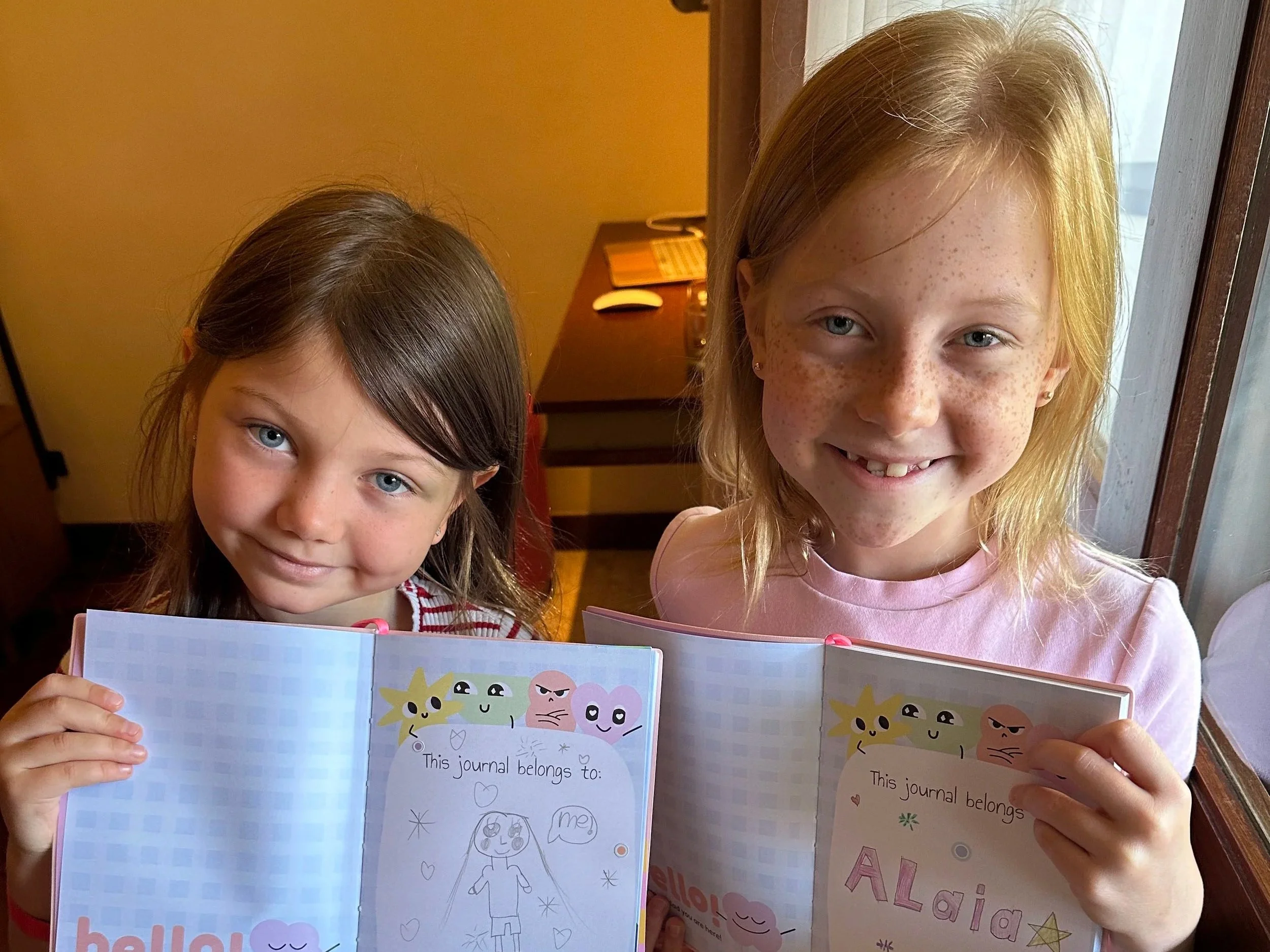
Why Is Emotional Journaling Important for Children?
Children experience a wide range of emotions, but recognising and expressing those emotions is a skill that develops over time.
A child might know that something feels wrong without understanding whether they're disappointed, embarrassed, anxious, or frustrated. When they struggle to explain their experience, their feelings may come out through tears, withdrawal, or challenging behaviour.
Journaling offers a gentle space for children to explore these feelings at their own pace. Through writing, drawing, and simple reflection prompts, they can begin to make connections between what happens, how they feel, and what they might need.
It doesn't have to involve long paragraphs or complicated questions. Even drawing a picture of a difficult moment or naming one feeling from the day can be a meaningful starting point.
The goal isn't to make children explain every emotion perfectly. It's to help them become more curious about their inner world.
Here are three ways an emotional journal can support that process.
1. Building a Bigger Emotional Vocabulary
Imagine your child comes home from school and says, “I had a bad day.”
You ask what happened, but they struggle to explain. Perhaps they felt left out during recess or became frustrated when they couldn't complete an assignment.
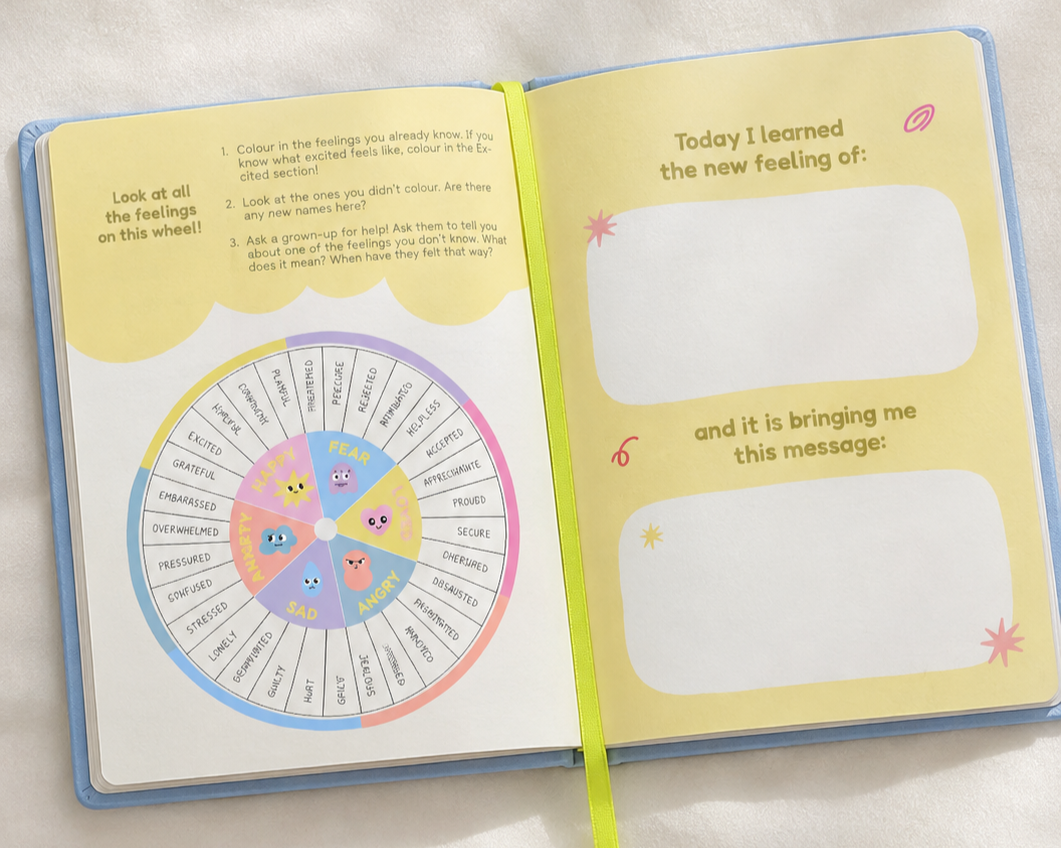
Sometimes, children use broad words such as happy, sad, or angry because they haven't yet developed the vocabulary to describe more specific feelings.
Learning words such as disappointed, nervous, lonely, overwhelmed, and proud gives children more ways to communicate what they're experiencing.
For example, recognising the difference between feeling angry and feeling embarrassed can help a child better understand what upset them. It can also help parents understand what kind of support their child might need.
You can encourage this by gently offering possibilities rather than telling children what they should feel.
You might say, “I wonder if you felt disappointed when that happened. Does that sound right, or was it something else?”
This gives children room to identify their own emotions without feeling that there's a right or wrong answer.
How The Emotion Explorer Journal helps
The Emotion Explorer Journal by Feelosophy features more than 100 pages of activities that invite children to explore their feelings.
By introducing different emotions in an accessible, child-friendly way, the journal gives children opportunities to become familiar with emotional language and practise describing their experiences.
Over time, these small moments of learning can help children find more words for what they feel, making it easier to share their experiences with the people around them.
2. Making Sense of Feelings Through Guided Self-Reflection
Children experience new situations every day, from navigating friendships to handling disappointment and trying unfamiliar things. But they don't always have the opportunity to pause and make sense of what happened.
Consider a child who becomes frustrated while working on a difficult puzzle. They might immediately conclude, “I'm bad at this,” and give up.
With gentle guidance, a parent could ask, “What part was difficult?” or “How did you feel when the pieces didn't fit?”
These questions encourage children to look more closely at their experience. They may begin to understand that feeling frustrated doesn't mean they're incapable. It simply means something feels challenging right now.
This is where self-reflection can be useful. It gives children an opportunity to notice their feelings, think about what contributed to them, and consider what they might try next time.
And reflection doesn't have to mean writing a full page in a diary. Drawing, completing a guided activity, or responding to a simple prompt can also help children explore their thoughts, especially when putting feelings into words feels difficult.
How The Emotion Explorer Journal helps
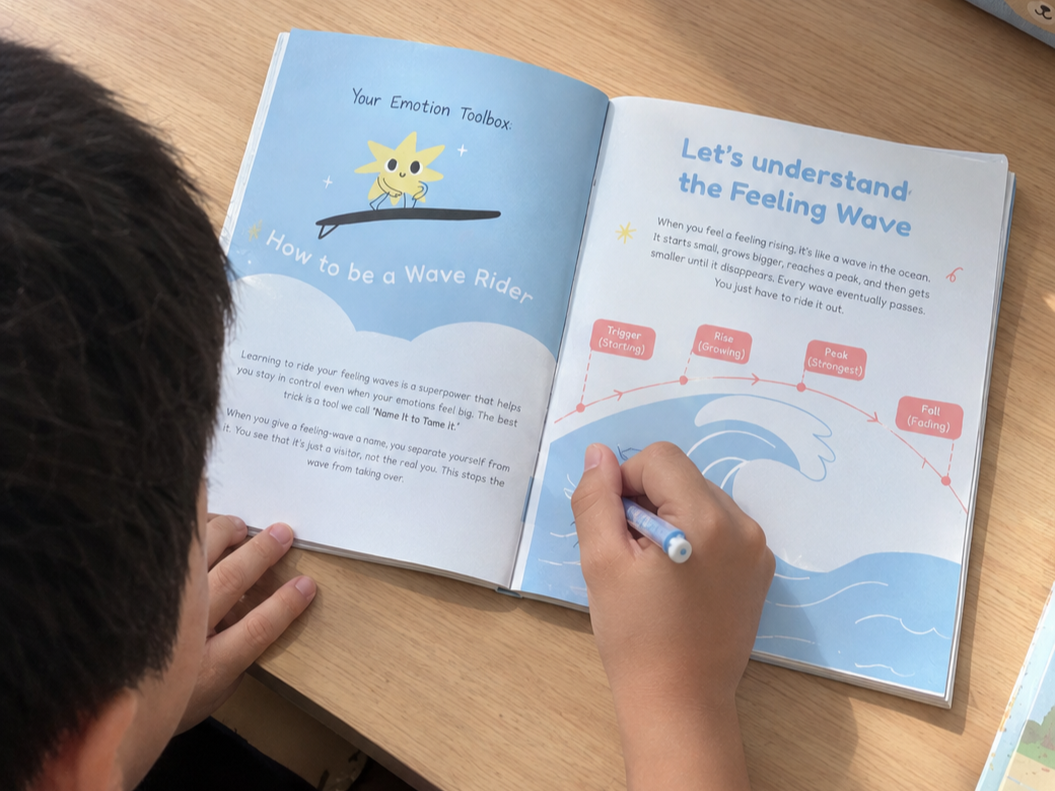
The Emotion Explorer Journal includes guided activities that combine writing, drawing, and reflection prompts to help children explore their thoughts and feelings.
These activities give children a starting point rather than expecting them to know what to write or where to begin.
Parents and educators can also use the activities to encourage gentle reflection after everyday experiences. For example, a child might draw a moment that made them feel proud or write about something they found difficult.
The aim isn't to judge the experience or force a positive lesson out of every situation. It's to give children room to understand themselves a little better.
3. Opening Meaningful Conversations Between Parents and Children
Sometimes, children aren't ready to talk when we ask, “What's wrong?”
They may need more time to process what happened, worry that their feelings will be dismissed, or simply not know where to begin.
This can leave parents unsure of what to do. You want to understand your child, but asking more questions doesn't always lead to more answers.
Thoughtful prompts can offer a gentler starting point.
Instead of asking, “Why did you do that?”, try asking, “What was happening for you just before that?”
Instead of saying, “You don't need to be upset,” you could ask, “What was the hardest part for you?”
Small changes like these can make conversations feel less like an interrogation and more like an invitation to share.
When children feel heard, they have more opportunities to practise expressing themselves honestly. This doesn't mean parents must agree with every behaviour. We can acknowledge a child's anger while still teaching them that hurting someone is not okay.
We can validate a child's feelings while continuing to guide their behaviour.
This balance helps children understand that emotions are welcome, even when certain actions are not.
How The Emotion Explorer Journal helps
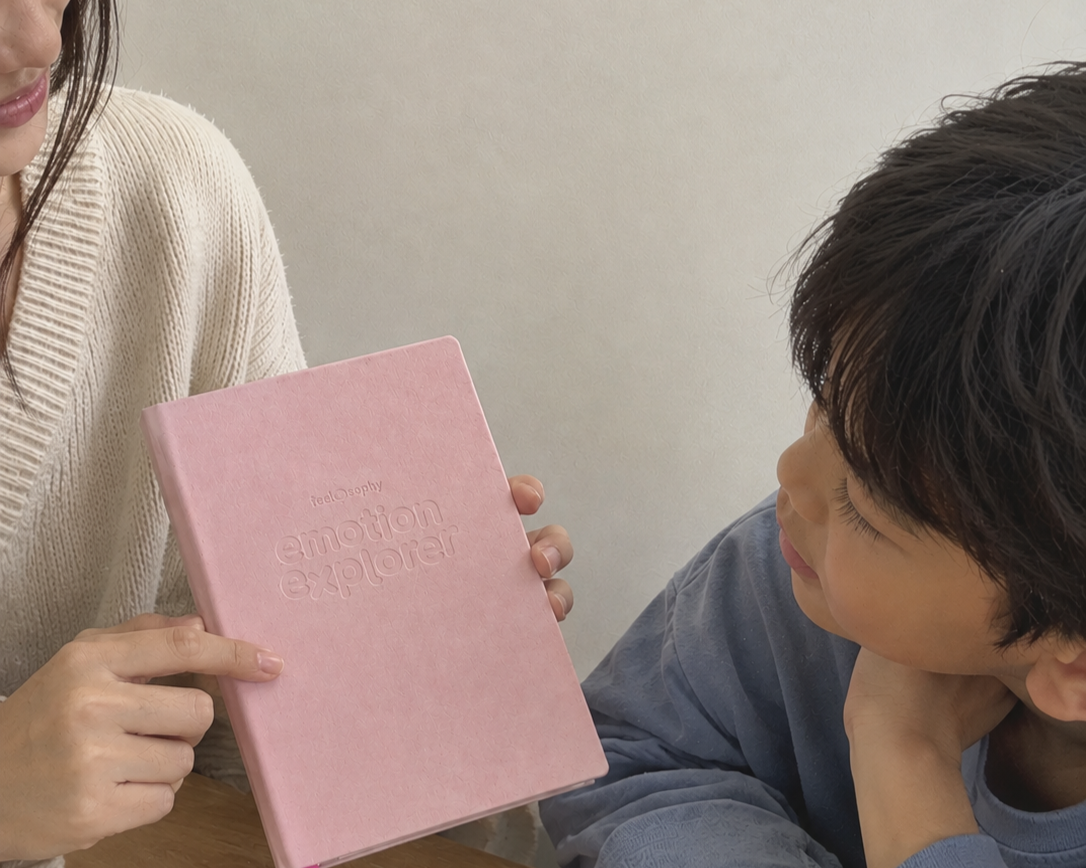
The Emotion Explorer Journal includes prompts that children can explore independently, as well as activities that can open up conversations with parents and caregivers.
A simple question might lead to a discussion about a friendship, a worry at school, or a moment when your child felt especially proud.
You don't need to have all the answers. Sometimes, listening without rushing to correct or solve the problem is already a meaningful way to support your child.
The most valuable part may not be the answer written on the page. It may be the conversation that follows.
Helping Children Understand Their Feelings, One Step at a Time
Emotional growth doesn't happen overnight. Children will still have difficult days, struggle to express themselves, and experience feelings they don't yet know how to manage.
That's part of growing up.
The goal isn't to eliminate uncomfortable emotions or expect children to regulate themselves perfectly. It's to give them opportunities to develop the skills to recognise their feelings, communicate their needs, and seek support when they need it.
A journal can be one small part of that journey.
Through emotional vocabulary, guided self-reflection, and thoughtful conversation prompts, The Emotion Explorer Journal by Feelosophy offers children and their caregivers a practical starting point for exploring feelings together.
Because sometimes, a child's “I'm fine” is the beginning of a conversation they don't yet know how to have.
And sometimes, all they need is a little time, a gentle question, and someone willing to listen.
Help your child explore their emotions, one small step at a time.
Discover The Emotion Explorer Journal at feelosophy.sg and find a gentle way to make emotional reflection part of your family's everyday life.